

Mastering the Art of Cutting Paper Rolls
by Jim Lewis - Founder of Krexil
If you're dealing with materials that come on a roll, you know the daily grind: turning the roll into sheets you can actually use. Doing this with manual tools or dispensers isn't just slow; it's a recipe for inconsistent cuts and wasted material.
A dedicated roll-to-sheet cutter completely changes the game. It takes a tedious chore and turns it into a fast, automated part of your process, saving time, reducing material waste, and improving workflow and consistency. Our machines are designed to cut 12 to 36-inch wide rolls of paper, film, and plastic. It's important to note they are not intended for flimsy materials like cloth or tissue paper.
The Secret to Efficient Roll Cutting
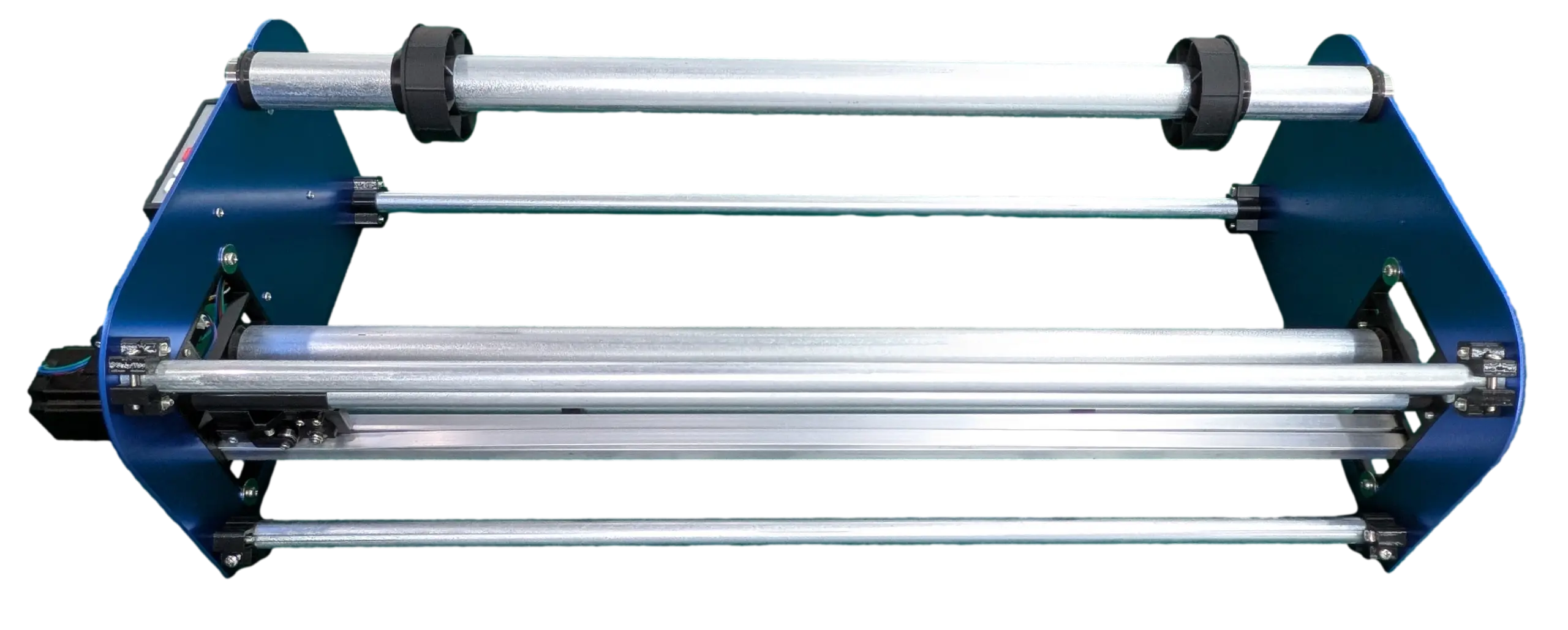
It's surprising how many businesses, from bustling shipping departments to custom print shops, still reach for manual tools to cut down their paper rolls. On the surface, it seems straightforward enough. But that manual approach introduces variations that compound over time.
My goal is to give you straightforward, real-world advice on how a simple machine can make a significant difference in your operations.
From Manual Effort to Automated Precision
Picture a typical day in a busy shipping department. Someone is spending time pulling paper from a dispenser and tearing off a sheet - again and again - for void fill in boxes. It's repetitive, slow, and an extra tedious step.
Now, bring in an automated roll-to-sheet cutter. That same employee sets the desired length just once, and the machine produces uniform sheets, one after the other. It's not just about speed; it's about freeing up your people to focus on packing, labeling, and getting orders out the door. The result is a much smoother workflow with less time wasted.
Applications Across Industries
The need for precise, clean cuts goes way beyond packaging. The benefits apply to all sorts of businesses:
- Shipping and Logistics: Wrapping products for shipment, creating void fill for boxes, and protecting fragile items.
- Food Service: Restaurants and butchers can use them for table covers, tray liners, and wrapping food.
- Retail: Ideal for high-volume gift wrapping during busy seasons.
- Trades: Creating floor coverings for construction or painting projects.
- Creative and Educational: Preparing materials for art classes.
When you take the guesswork out of cutting, the first sheet is identical to the last. A dedicated machine provides that consistency, reducing material waste and creating a more predictable, streamlined operation.
At the end of the day, whether you're wrapping products for a customer or prepping materials for a production line, an automated roll cutter is a simple solution to a very common operational headache.
Choosing the Right Cutter for Your Needs
Picking the right tool for cutting your paper rolls is the first real step toward making your operation more efficient. What really matters is how the machine will fit into your day-to-day tasks. The best cutter should feel like a natural part of your workflow, not another complicated piece of equipment.
Start by thinking about what you're cutting most of the time. Is it kraft paper for filling boxes, butcher paper for wrapping food, or something more specialized?
Just as important is the machine's capacity. Make sure it can handle the roll size you use.
Material Compatibility And Application
The table below matches common roll materials with the applications where a roll-to-sheet cutter really shines.
Cutter Suitability by Material and Application
| Material Type | Common Applications | Key Benefit of Machine Cutting |
|---|---|---|
| Kraft Paper | Void fill, product wrapping, dunnage | Consistent sheet sizes for professional, waste-free packaging. |
| Butcher Paper | Food wrapping, table covers | Hygienic, uniform sheets on demand without manual tearing. |
| Sublimation Paper | Heat transfer printing for apparel, mugs | Precision to prevent misprints and material loss. |
| Gift Wrap | High-volume retail, e-commerce fulfillment | Speed and perfectly straight edges for a professional presentation. |
| Protective Paper | Floor covering, tray lining, cage lining | Fast conversion of bulk rolls into manageable sheets. |
Understanding Cutter Types
A roll-to-sheet cutter, which you'll also hear called a "sheeter," makes cuts across the material. It takes a long, continuous roll and turns it into individual sheets, but the width of the paper stays the same.
A slitting machine does the opposite. It cuts lengthwise, taking one wide roll and slicing it into several narrower rolls. So, if your goal is to make packaging sheets, disposable table covers, or pre-cut media, the roll-to-sheet cutter is what you're looking for.
By carefully matching a cutter's capabilities (material handling, roll width, and function) to your specific operational needs, you ensure the machine becomes a reliable asset that saves time and reduces waste.
How to Set Up Your Cutter for Perfect Cuts
When your new roll-to-sheet cutter arrives, take a few minutes to get the setup just right. Find the right spot for the machine. You're looking for a stable, level surface. You'll also want elbow room to load heavy rolls and stack your finished sheets.
Loading and Aligning Your Material
To load your paper roll correctly, start by placing the roll onto the holding bar, ensuring it's centered and sitting securely. You want the material to unroll smoothly, with no wobbling.
With the roll mounted, the next job is to feed the leading edge of the material through the cutting mechanism. Just gently pull it through until you have a good bit of length to work with. Now you can dial in your desired sheet length. This is where accuracy really counts; it's what guarantees consistency from the first cut to the thousandth.
For a more detailed walkthrough, you can find extra tips and visuals in our paper roll cutter user guide.
Final Checks and Calibration
Before you kick off a big production run, always run a few test cuts. This quick calibration check ensures that when you start feeding your material, every sheet that comes out is perfect.
Streamlining Your Day-to-Day Cutting Process
Once your cutter is set up and calibrated, you're ready to really see what it can do for your day-to-day workflow.
Gaining Consistency in Every Cut
The biggest win with a roll-to-sheet cutter is taking human error out of the equation. It doesn't matter if you're cutting ten sheets for a small order or a thousand for a production run.
Integrating the Cutter into Your Workflow
You might be surprised how much the physical placement of your cutter matters. Position it right next to where the paper will be used—whether that's a packing station, a printing press, or a food prep counter. It completely cuts out wasted movement.
No more walking across the room to grab a few sheets. Those saved steps add up fast and keep the whole process flowing smoothly. The goal is to make the entire process seamless, from roll to final use. By thoughtfully integrating your cutter into the physical workflow, you remove small but repetitive delays that add up over the course of a day.
Common Questions About Cutting Paper Rolls
When you're looking for a better way to cut paper rolls, a few questions always pop up. Let's walk through some of the things people ask us most often.
What Can These Machines Actually Cut?
One of the first things everyone wants to know is what kind of materials these cutters can handle. The short answer? They're surprisingly versatile.
Krexil cutters range from 12 to 36 inch width capability. This covers a huge range of common roll types, including:
- Kraft paper
- Butcher paper
- Gift wrap
- Paper for table covers, floor protection, and tray liners
- DFT film for Print-on-Demand
- Sublimation film
- Window tint and solar film
- Reflective film for safety and signage
- ... and countless other types
The one thing to keep in mind is that the machines are not designed for flimsy or soft materials like fabric, cloth, or tissue paper. Those materials need a completely different cutting action.
Finally, business owners often ask about the learning curve. These machines are designed to be straightforward. The setup is simple: you load the roll, feed the material through, and punch in your desired sheet length. The user-friendly design means any team member can be up and running in minutes, an important advantage in any busy workplace.
Check Out More Articles on Paper Roll Cutting
At Krexil, our entire focus is on building reliable, no-fuss machines that solve operational headaches. If you're ready to tighten up your workflow and put a stop to material waste, take a look at our solutions at Krexil.