

Ultimate Guide to Bubble Wrap for Packaging Success
by Jim Lewis - Founder of Krexil
Bubble wrap is an essential tool in professional packaging, providing that critical layer of cushioning that gets products safely from point A to point B. For shipping managers and packaging engineers, using it effectively is a powerful way to reduce shipping damage, minimize material waste, and improve the customer's unboxing experience. A closer look reveals how selecting the right type and streamlining its application can make a significant difference in your daily operations.
The Professional Guide to Bubble Wrap Packaging
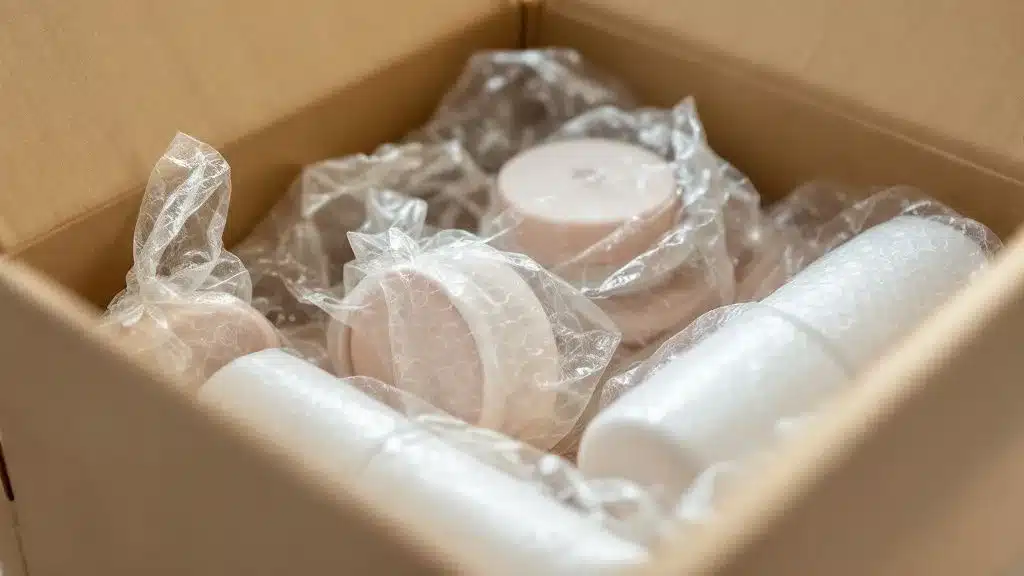
For anyone running a warehouse, managing an e-commerce brand, or engineering packaging solutions, getting the most out of bubble wrap means going beyond the basics. While its main job is protection, its true value emerges when integrated into an efficient, professional workflow. This guide isn't just about cushioning—it's about leveraging this versatile material to improve your entire packaging process.
The focus here isn't just on what bubble wrap is, but on how it performs in a demanding commercial environment. For any business that ships products, consistency is key. When your packaging process isn't consistent, it can lead to damaged goods, dissatisfied customers, and avoidable costs.
The Accidental Invention That Changed Shipping

Some of the most essential tools in modern industry have surprising backstories, and bubble wrap is a prime example. Its journey from a failed 1950s design concept to a global packaging standard is a lesson in practical innovation that warehouse and shipping managers can appreciate. The story doesn't begin in a busy warehouse, but in a quiet garage where two inventors were trying to create something entirely different.
Their original goal? A textured, 3D wallpaper. Back in 1957, engineer Alfred Fielding and Swiss inventor Marc Chavannes sealed two shower curtains together, trapping air bubbles between the layers. The idea was clever, but it failed to gain traction with homeowners. They were left with an interesting new material but no clear market for it.
For several years, their invention was a solution in search of a problem. The creators pitched it as greenhouse insulation and for other niche uses, but nothing took hold. The material's true potential, however, was about to be realized.
The Turning Point for Protective Packaging
The big breakthrough came in 1961 when a marketer at Sealed Air Corporation, the company founded by the inventors, had an insightful idea. He recognized that the air-filled plastic could offer superior protection for fragile items during shipment. At the time, many companies relied on crumpled newspaper.
He pitched the concept to IBM, which was looking for a way to safely ship its new, delicate 1401 computers. These early machines were not only expensive but also highly sensitive to bumps and vibrations. IBM tested the new material, and the results were clear. The bubble-filled plastic provided a clean, lightweight, and consistently effective cushion that newspaper couldn't match.
This partnership with a major corporation like IBM validated the material's potential. It proved that a simple, accidental creation could solve a significant industry problem, setting a new standard for shipping safety.
A Lesson in Practical Innovation
For professionals managing shipping and logistics today, this story is more than just a historical anecdote. It’s a reminder that impactful innovation often comes from applying an existing material to solve a practical problem. What began as a design flop became a cornerstone of protective packaging because it offered a better, more reliable solution for a persistent operational challenge.
This history underscores the importance of consistency in packaging. Before bubble wrap, protection was often a matter of guesswork. Afterward, businesses had a standardized tool they could depend on.
Choosing the Right Bubble Wrap for Your Products
Selecting the right bubble wrap is a key packaging decision that directly impacts shipping success. For any warehouse manager, gift shop owner, or packaging engineer, matching the material to the product is the first step toward preventing damage and managing costs. The effectiveness of your bubble wrap depends almost entirely on choosing the right size and type for the job.
It’s a common misconception that all bubble wrap is the same. The size of the air-filled pockets determines the level and type of protection you're getting. Think of it like using the right tool for a task—you wouldn't use a sledgehammer for a finishing nail. The same logic applies here.
Matching Bubble Size to Your Product
The diameter of the bubbles is the most important factor. Each size is engineered for a specific purpose, whether it's protecting delicate surfaces from scratches or filling large gaps inside a shipping box. Understanding these differences is essential.
- Small Bubbles (3/16 inch or less): This size is all about surface protection. Its main job is to prevent scratches, scuffs, and minor dings on delicate items. It's the go-to choice for electronics, picture frames, and glassware.
- Medium Bubbles (5/16 inch): Consider this your versatile, all-purpose option. It strikes a great balance between cushioning and surface protection, making it perfect for a wide range of products, from ceramics and housewares to small machine parts.
- Large Bubbles (1/2 inch): When your goal is to fill empty space (void fill) or cushion heavier items, large bubbles are the answer. They’re designed to absorb greater impacts and stop products from shifting inside a box during transit.
This image shows the visual difference between eco-friendly and traditional bubble wrap options.
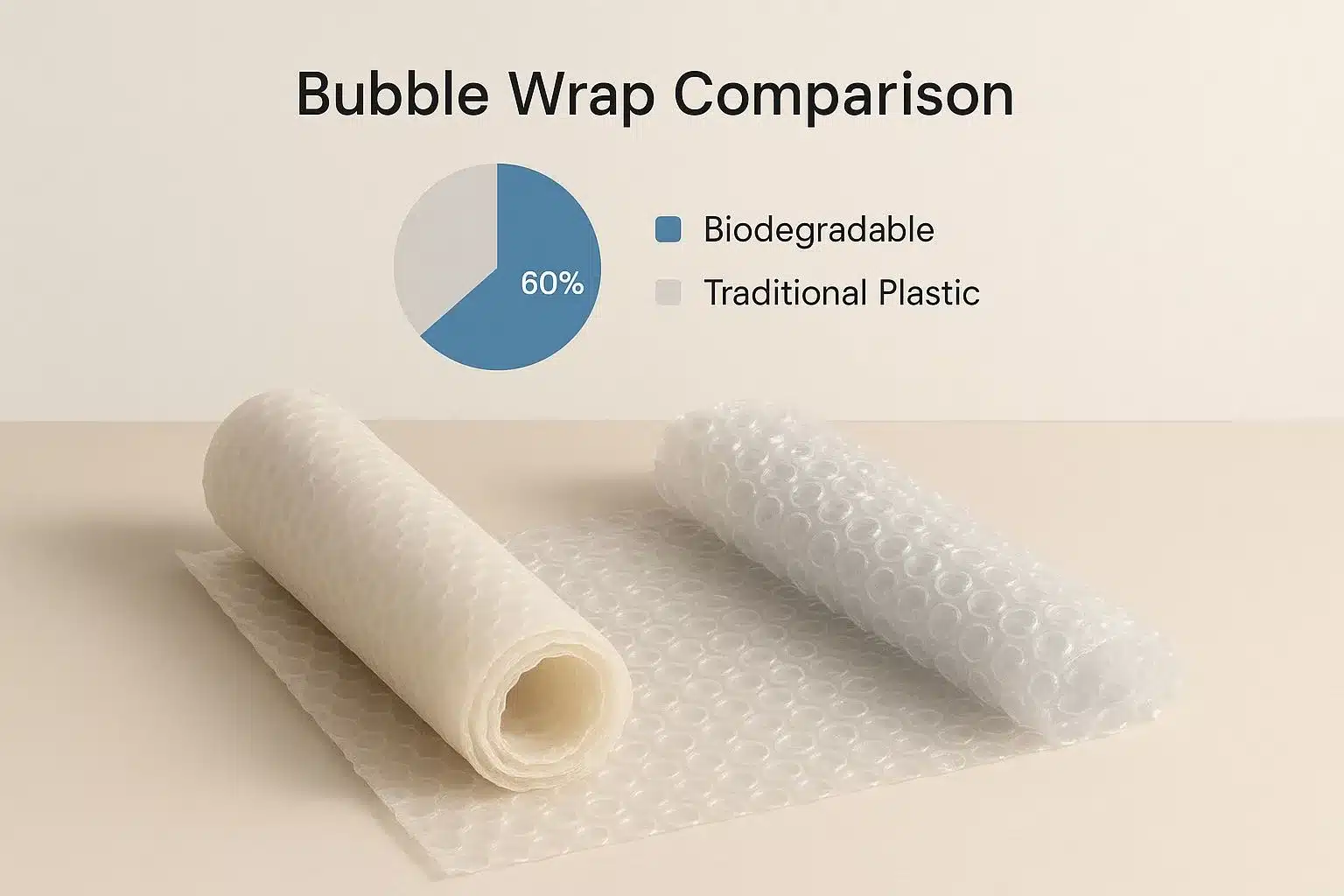
As you can see, both biodegradable and standard bubble wrap offer similar protective qualities. This allows businesses to make a choice based on their sustainability goals without having to sacrifice performance.
Understanding Specialty Bubble Wrap Types
Beyond bubble size, specialty wraps bring unique properties to the table for specific applications. Using the wrong type can be just as problematic as using the wrong size, especially when dealing with sensitive or valuable goods.
For a packaging engineer, selecting the right material isn't just about protection—it's about mitigating specific risks. A standard wrap won't solve an electrostatic discharge problem, which is where specialty films become essential.
Here are a few common specialty types you'll likely encounter:
- Anti-Static Bubble Wrap: Easily identified by its signature pink tint, this wrap is specifically designed for shipping electronics. It safely dissipates static charges, protecting sensitive components like circuit boards and processors from electrostatic discharge (ESD) damage.
- Cohesive Bubble Wrap: This material sticks to itself but not to your product. It’s ideal for wrapping awkwardly shaped items without needing tape, creating a clean, secure package that's easy for the customer to open.
- Heavy-Duty Bubble Wrap: Made with a thicker grade of plastic film, this wrap is built to withstand more pressure and protect heavy, bulky, or sharp-edged items. A machine shop, for example, might use this to wrap finished metal parts.
To make things a bit simpler, here's a quick guide to help you match the right bubble wrap to your needs.
Bubble Wrap Selection Guide
| Bubble Size | Primary Use Case | Ideal For Items Like | Specialty Type Recommendation |
|---|---|---|---|
| Small (3/16") | Surface Protection | Electronics, Glass, Picture Frames, Jewelry | Anti-Static for sensitive electronics |
| Medium (5/16") | General Cushioning | Ceramics, Mugs, Small Appliances, Toys | Cohesive for irregularly shaped items |
| Large (1/2") | Void Fill & Heavy Items | Large Vases, Machine Parts, Statues | Heavy-Duty for items over 30 lbs |
This table should give you a solid starting point, but always consider the specific fragility and weight of your item.
Making the Right Choice for Your Operation
A gift shop owner packing delicate ceramic mugs has different needs than a contractor protecting hardware. The gift shop would likely use medium bubble wrap for general cushioning, while the contractor might need a heavy-duty wrap to prevent scratches from sharp metal edges. For those who need both cushioning and a moisture barrier, you might want to learn more about kraft paper for packaging as an alternative or a complementary material.
Ultimately, the goal is to make a cost-effective choice that ensures your products arrive safely. By taking a moment to match the bubble wrap to the item, you reduce the risk of damage, minimize material waste, and present a more professional package.
How Professionals Use Bubble Wrap in Daily Operations
The true value of bubble wrap lies in its adaptability to solve problems in different professional settings. It’s one thing to discuss theory, but let's dive into how this material is used in the day-to-day workflows of people facing unique challenges. From high-speed e-commerce centers to delicate, one-off projects, bubble wrap consistently proves its worth.
Each of these real-world scenarios highlights a specific problem and shows how the right application of bubble wrap provides a smart, reliable solution.
The E-commerce Shipping Manager
For an e-commerce shipping manager, the key metrics are speed, consistency, and product safety. Their team might be packing hundreds or thousands of orders a day, shipping everything from fragile glassware to electronics. In this high-volume environment, every second counts. Inconsistent packing can lead to higher damage rates and slow down the entire fulfillment line.
For items needing extra security, they might also use other materials. You can learn more about picking the right ones in our guide to void fill packaging.
Common Packaging Mistakes to Avoid
Even the best packaging materials won't perform correctly if they aren't used properly. If you’re shipping delicate or valuable goods, avoiding a few common bubble wrap mistakes is essential for preventing damage, reducing waste, and protecting your bottom line. It all starts with understanding a few key principles.
One of the most frequent errors is using the wrong bubble size for an item's weight and fragility. It’s a simple mistake, but one with significant consequences.
Read More to Enhance Your Packaging Knowledge:
Why Every Packaging Facility Needs a Paper Roll Cutter
Mismatching Bubble Size and Item Weight
Using small bubbles for a heavy item is a common misstep. Those tiny air pockets are designed for surface protection—preventing scratches and scuffs—not for absorbing heavy impacts. Under the weight of a dense product, the small bubbles can pop, leaving the item with minimal cushioning.
On the flip side, wrapping a small, delicate item in large-bubble wrap can be just as ineffective. The wide gaps between the large bubbles can leave parts of the item’s surface exposed and unsupported. This creates pressure points that can lead to breakage. The goal is to match the bubble size to the item's specific needs.
Forgetting the "Bubbles In" Rule
For the best protection, the bubble side should always face inward, touching your product directly. This allows the individual air cushions to conform to the item’s shape and absorb impacts where they happen. The flat side provides a smooth, tough outer layer that helps keep the bubbles from bursting under pressure.
Placing the flat side against the product is a common error that makes the wrap less effective. The bubbles can't properly cradle the item, which means less direct cushioning where it counts.
A well-wrapped package conveys professionalism and care. Ensuring the bubbles face the product is a small detail that makes a big difference in both protection and presentation.
The Over-Wrapping vs. Under-Wrapping Dilemma
Finding the right balance—using enough material for safety without being wasteful—is a challenge for any operation.
- Under-wrapping: This is often the more expensive mistake in the long run. Trying to save a small amount on material by skimping on bubble wrap can lead to costly damage claims and returns. A single layer is rarely sufficient for anything fragile.
- Over-wrapping: While safer, using too much material can increase shipping weight and costs. It’s also wasteful and can create a frustrating unboxing experience for your customer.
Frequently Asked Questions About Bubble Wrap
Even with a material as common as bubble wrap, questions frequently arise in professional packaging settings. Getting the simple things right is what separates a good packing job from a great one—protecting your products, keeping your team efficient, and ensuring you get the most value out of every roll. Here are some of the most common questions, with straightforward answers.
This is a very common question. For the best protection, the bubble side should always face inward, touching your product directly. Think of it this way: the bubbles are individual air cushions. When they’re pressed against the item, they conform to its shape and absorb direct impacts. The flat side provides a smooth, strong outer layer that protects the bubbles themselves from being easily popped during shipping.
Most standard bubble wrap is made from #4 low-density polyethylene (LDPE), which is recyclable. The key is that it usually cannot be placed in a regular curbside bin with bottles and cans. It needs to be taken to a dedicated plastic film drop-off location. These collection bins can often be found at the entrance of larger grocery or retail stores.An even more sustainable alternative is kraft paper.
Matching the bubble size to your product is critical. It’s not just about wrapping something; it’s about providing the right kind of cushioning. Here’s a simple rule of thumb:
- Small Bubbles (3/16 inch): These are ideal for surface protection. Use them on delicate items like electronics, picture frames, or finished wood to prevent scratches and minor scuffs.
- Medium Bubbles (5/16 inch): This is your versatile, all-around choice. It’s great for general-purpose cushioning for most everyday items, giving you a solid balance of protection and flexibility.
- Large Bubbles (1/2 inch): Think bigger and heavier. This size is best for cushioning bulky items or for filling empty space (void fill) in a box to prevent items from shifting during transit.
When Paper Void Fill Is the Better Choice
Bubble wrap excels at wrapping individual items, but for filling empty space in a box, paper void fill from a roll is typically cheaper per pound, lighter, and fully recyclable curbside. Pre-made bubble wrap also takes up significant storage space. An automated roll cutter solves both problems: cut paper to the exact sheet length you need on demand, with no measuring and no wasted material. Learn more about paper void fill.
For any business that depends on protective wrapping and void fill, at Krexil, we build roll-to-sheet cutters designed to create sheets used for crumpled-paper protection and void fill which is often more economical than bubble wrap. Discover how our machines can help streamline your packaging process at https://krexil.com.