

Photographic Paper Roll Cutter Guide for Photo Labs
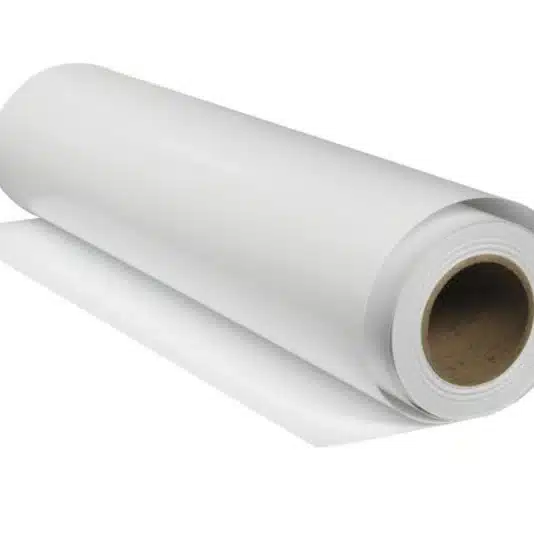
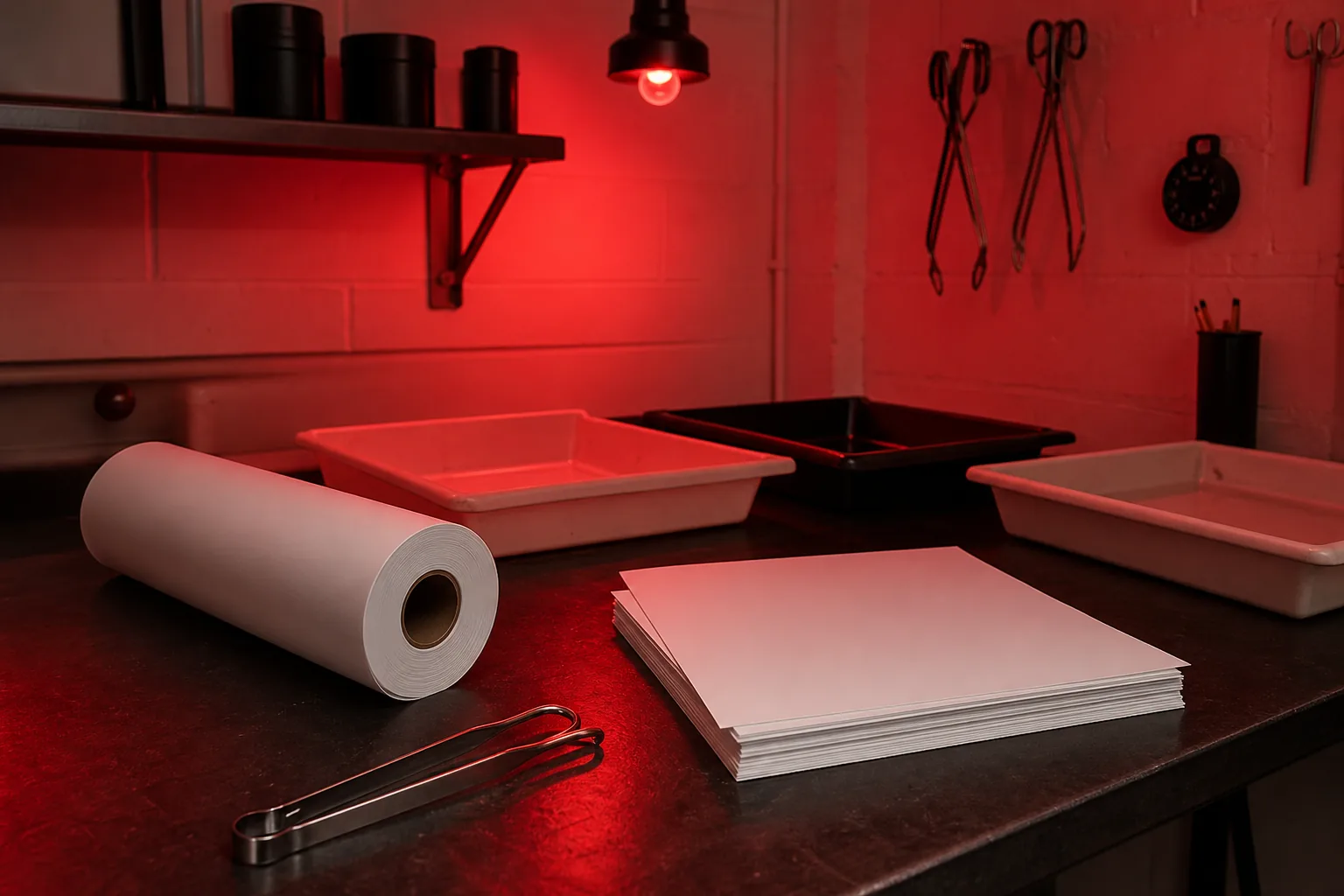
Photographic paper is often more economical when it is bought in roll form, but many print and photo production workflows still need specific sheet sizes. That gap is where a photographic paper roll cutter can help: it turns roll stock into consistent, repeatable sheets without making an operator measure and trim each piece by hand.
Automatic roll cutters are well suited to photo labs, photography enthusiasts, print shops, and production teams that already work with roll-based paper and need a cleaner way to make sheeted material for repeat jobs.
Why Photo Paper Rolls Often Need Sheeting
Roll stock is useful because it lets a shop keep fewer SKUs on hand while still producing several sheet sizes. A single roll can support proofing sheets, specialty sizes, sample packs, or short-run production where pre-cut sheets are expensive, unavailable, or inconvenient to store.
The problem is labor. Cutting a few sheets manually is manageable. Cutting dozens or hundreds of sheets to the same length becomes a repeatability problem. Operators have to keep the material square, measure each cut, avoid damaging the coated surface, and maintain the same finished size from the first sheet to the last.
For production work, the goal is not just "cut the paper." The goal is to create a controlled roll-to-sheet process: choose a sheet length, choose a quantity, run the job, and get material that is consistent enough for the next step.
Where an Automated Roll Cutter Fits
Krexil roll cutters are built for automated, programmable roll-to-sheet cutting. The operator sets the length and quantity, then the machine feeds and cuts the material repeatedly. That makes the process more predictable than hand measuring, especially when a shop needs the same photo paper size over and over.
This type of workflow can be useful when a photo or print operation needs to:
- Cut roll stock into standard lab or shop sizes
- Prepare short runs of custom sheet lengths
- Reduce manual measuring during repeat jobs
- Keep roll inventory while still supporting sheet-based handling
For narrower desktop roll-to-sheet work, the Krexil Roll Cutter 12 x 12 is often the starting point. Shops that need to use wider rolls can consider larger models.
In some workflows the optional Just-In-Time sensor allows you to synchronize cutting with sheet usage. As soon as a cut sheet is taken, the next sheet gets cut.
Practical Setup Questions Before Cutting
For many shops, the immediate gain is consistency. Instead of one operator spending time measuring and cutting each piece, the roll cutter handles the repeated feed-and-cut cycle. The operator can focus on loading material correctly, checking the first pieces, and moving finished sheets into the next step.
A Better Fit for Roll-Based Photo Production
Buying photographic paper in rolls can make sense when a shop wants purchasing flexibility, custom sizes, or better control over inventory. The bottleneck is turning that roll into usable sheets without turning every batch into a manual measuring job.
Krexil roll cutters give production teams a compact, programmable way to sheet roll material in-house. For photographic processes that regularly cut photographic paper rolls into repeatable sheet sizes, that can mean less hand work, more consistent output, and a process that is easier to repeat from job to job.
To compare machine sizes for your roll width and finished sheet length, start with the Krexil Roll Cutter 12 x 12 or review the larger roll cutter models for longer sheet requirements.