

Butcher Paper Cutter Benefits for Food Businesses | Krexil
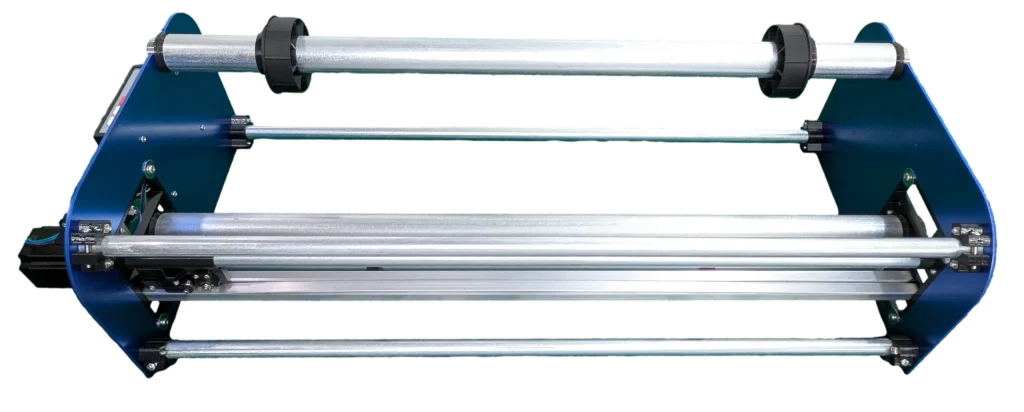
Food businesses often use roll materials all day: butcher paper, kraft paper, tray liners, table paper, freezer paper, deli wrap, and other packaging papers. Cutting those rolls by hand can work for occasional use, but it becomes a bottleneck when staff need the same sheet size repeatedly during a rush.
A roll-to-sheet cutter turns a roll into repeatable sheets at a programmed length. For butcher shops, delis, restaurants, supermarkets, commissaries, and food packaging operations, the practical value is not just speed. It is consistency: the first sheet and the last sheet are the same size, which helps reduce waste and keeps wrapping stations moving.
Where Paper Roll Cutting Helps in Food Businesses
Paper roll cutting is useful anywhere staff need clean, repeatable sheet sizes before the customer or production line is waiting. Common food-business uses include:
- Butcher counters: cut sheets for meat, poultry, ribs, roasts, seafood, or freezer wrap.
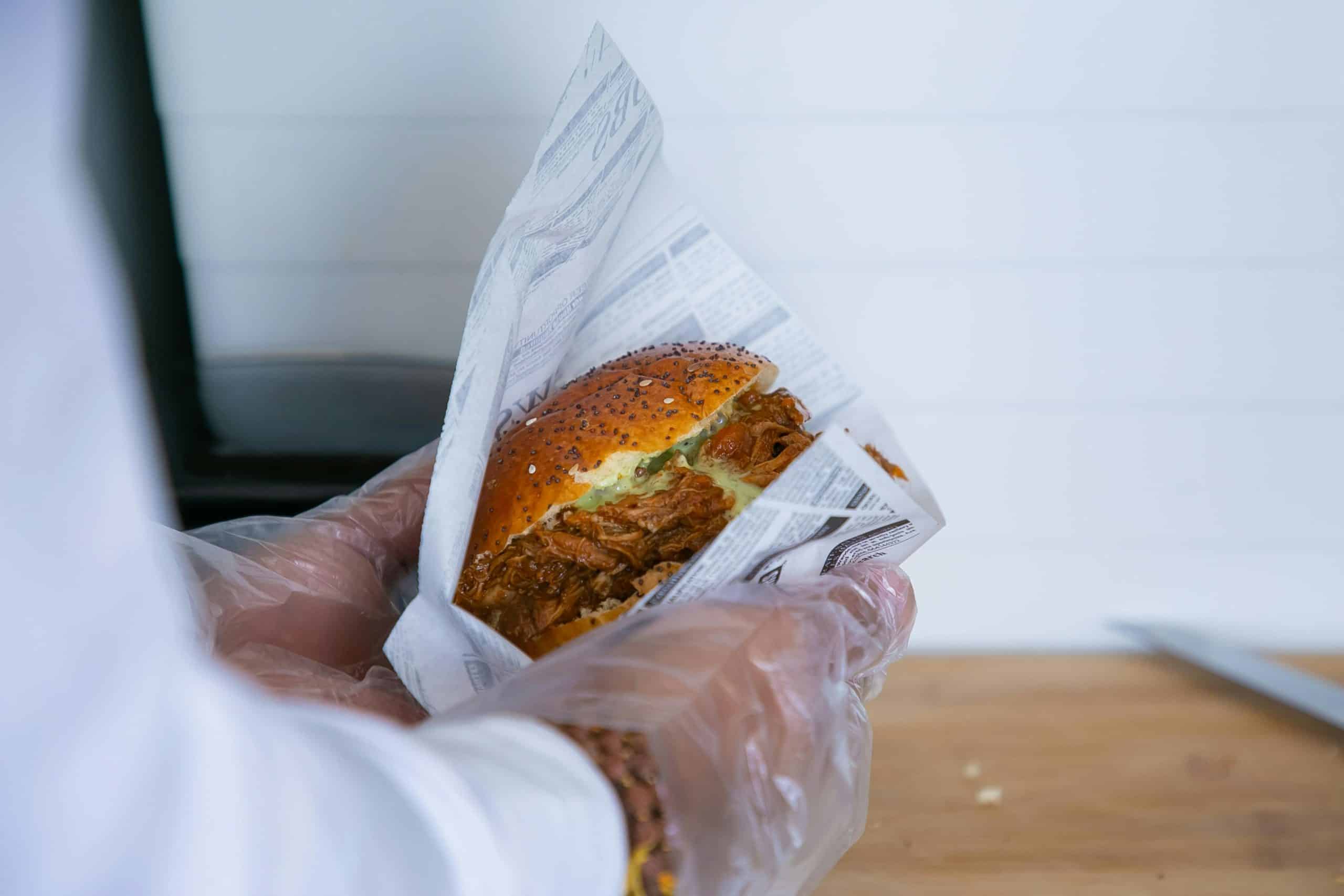
- Deli and sandwich stations: prepare sheets for sandwiches, burgers, cold cuts, cheese, and grab-and-go orders.
- Restaurants and catering: cut tray liners, table paper, basket liners, or prep-area paper.
- Food production rooms: prepare consistent sheets for wrapping, separating, staging, or protecting products.
- Retail packaging stations: keep sheets ready for gift food, specialty items, or counter-service packaging.
Why Manual Cutting Becomes Expensive
Manual cutting looks simple, but the small delays repeat all day. Someone pulls paper from a dispenser, estimates or measures a length, tears or cuts it, then repeats the same task again for the next order. During a busy service period, those seconds add up.
Manual cutting also creates variation. Sheets may be too long, too short, crooked, or inconsistent from one employee to the next. Oversized sheets waste material, while undersized sheets slow the wrap because staff have to start again.
Benefits of a Roll-to-Sheet Cutter
Faster Packaging Workflow
With an automatic roll-to-sheet cutter, staff set the sheet length once and produce the same size repeatedly. That reduces stop-and-measure work at the wrapping station and lets employees focus on serving customers, packing orders, labeling, and cleanup.
More Consistent Presentation
Consistent sheets fold more predictably around sandwiches, sliced meats, cuts of meat, trays, and prepared food items. That matters in customer-facing food businesses because packaging is part of the product presentation.
Less Material Waste
Using a programmed sheet length helps avoid the common habit of pulling more paper than needed. Over a roll, small overcuts can become meaningful waste. A repeatable cut length makes paper usage easier to control.
Better Station Layout
The cutter should sit close to where the paper is used: a deli counter, meat wrapping station, packing bench, or food prep area. Good placement removes extra walking and makes the cutter part of the normal workflow instead of a separate chore.
Food-Service Examples
These examples show where repeatable paper sheets remove small delays from busy food-service operations.


Materials Commonly Used in Food Operations
| Material | Common Food-Business Use | Why Machine Cutting Helps |
|---|---|---|
| Butcher paper | Meat wrapping, deli wrapping, seafood counters | Uniform sheets for fast wrapping and cleaner presentation. |
| Kraft paper | Takeout packaging, food gift packaging, protective wrapping | Consistent sheet sizes reduce overuse and keep stations stocked. |
| Tray or basket liner paper | Restaurants, cafes, food trucks, catering | Repeatable liners for trays, baskets, and prep surfaces. |
| Table paper | Casual restaurants, events, tasting rooms | Fast conversion from bulk rolls into service-ready lengths. |
Roll-to-Sheet Cutting vs. Slitting
A roll-to-sheet cutter cuts across the roll to make individual sheets while keeping the roll width the same. That is the right approach when a business needs butcher paper sheets, liners, wraps, covers, or packaging sheets.
A slitter cuts lengthwise to turn one wide roll into narrower rolls. That is a different operation. If the goal is to make sheets for food packaging or food-service workflow, a roll-to-sheet cutter is the relevant machine.
Setup and Workflow Tips
- Match the cutter width to the roll width. Choose a machine that handles the widest roll used at the station.
- Place the cutter near the work. A cutter next to the deli, butcher, or packing station saves more time than one across the room.
- Run a few test cuts. Check that the programmed length matches the sheet size staff actually need.
- Standardize common lengths. Keep a short list of common sheet sizes for sandwiches, meats, trays, or table covers.
- Keep roll changes simple. Store replacement rolls near the station so staff can reload without interrupting service.
What Krexil Roll Cutters Are Designed to Cut
Krexil roll cutters are built for roll-to-sheet cutting in widths from 12 to 36 inches. They are commonly used for paper, kraft paper, butcher paper, gift wrap, protective paper, and some films. They are not intended for flimsy materials such as cloth, tissue, or fabric, which require a different cutting action.
For food businesses, the most common fit is a desktop cutter that can sit near the wrapping or prep station and produce repeatable sheets on demand. See the Krexil paper roll cutter overview or compare the 12-inch, 24-inch, 36-inch models.